
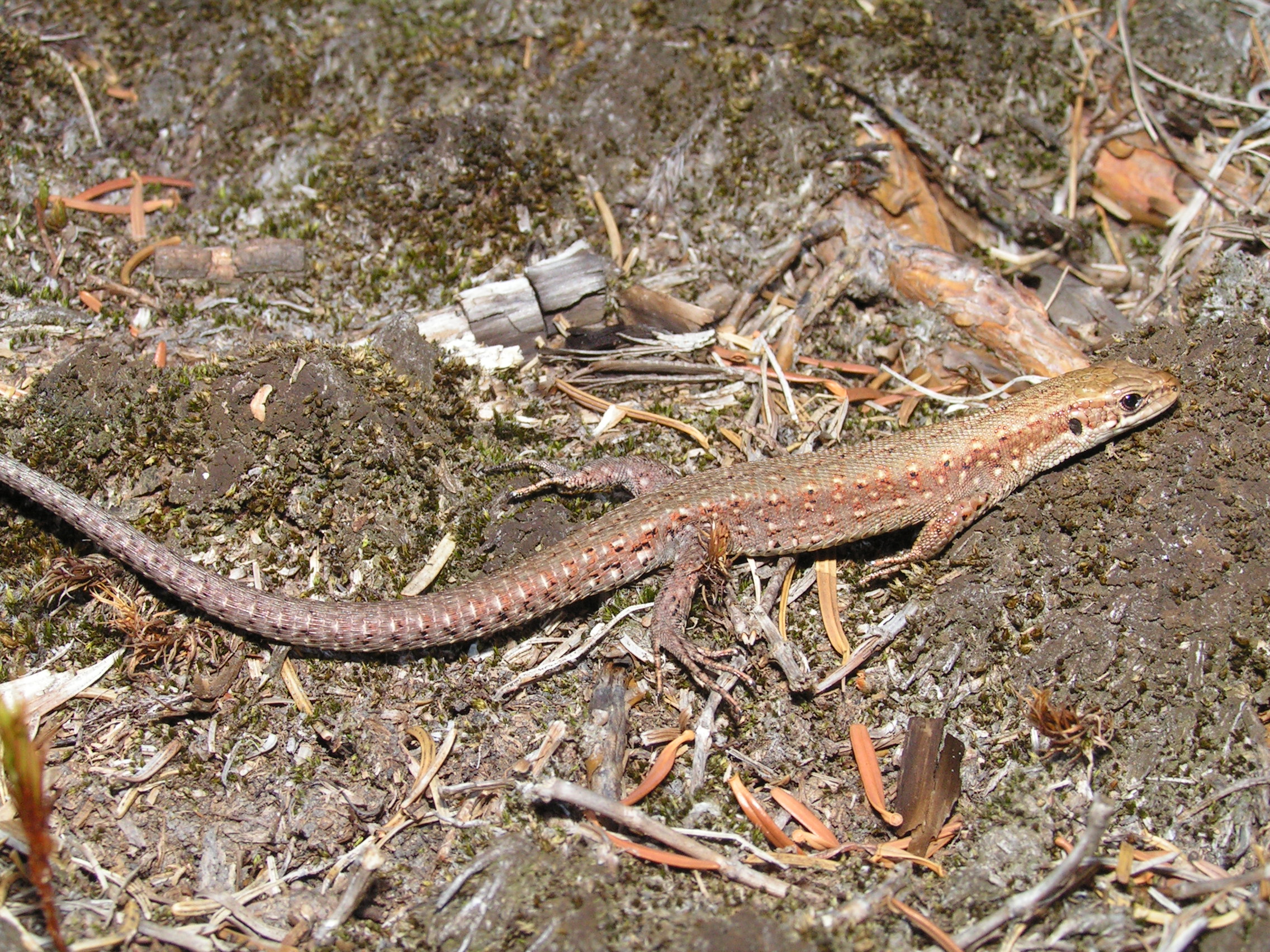
Croatia’s fauna has recently been enriched by a new member from the reptile world: Zootoca carniolica. Previously considered part of the widespread species Zootoca vivipara, the common viviparous lizard, Zootoca carniolica has been officially recognized as a separate species (Speybroeck et al., 2020) following detailed genetic and ecological studies. This distinction brings new insights into the region’s evolutionary history and highlights Croatia’s importance in preserving biodiversity. A notable difference is that this new species lays eggs, unlike the viviparous reproductive style of its nominal relative.
Species Identification
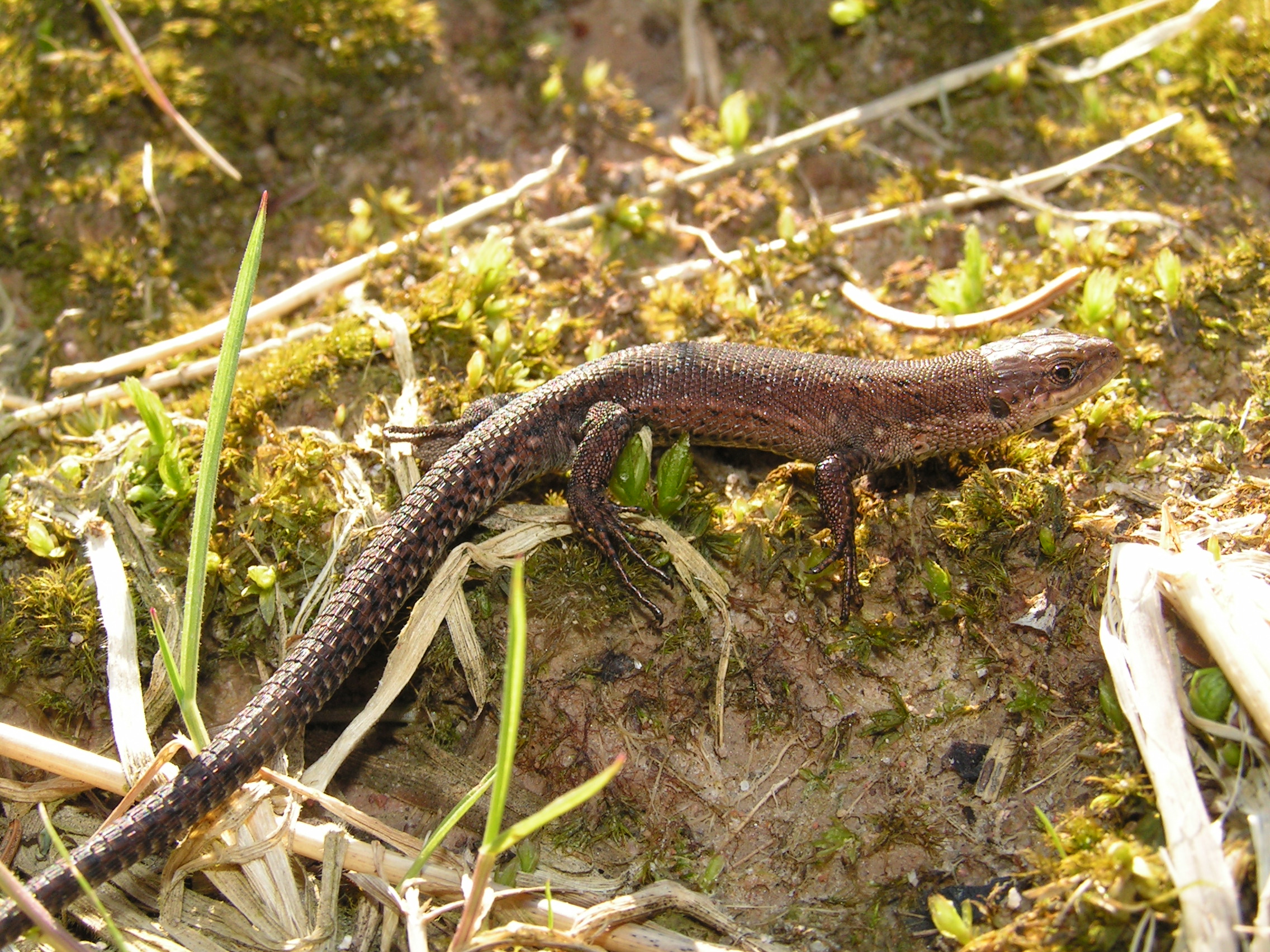
The Carniolan lizard, or Zootoca carniolica, is found in Central and Southern Europe, including the eastern Alps and Croatia’s Gorski Kotar region. Although its range overlaps with that of Zootoca vivipara, the common viviparous lizard, Zootoca carniolica lays eggs, a trait typical of species adapted to milder climates. Its unique reproductive strategy differentiates it ecologically from its viviparous relatives.
Ecology
The distribution of the Carniolan lizard is concentrated in warmer, predominantly alpine and subalpine areas, where it thrives in a mild climate. Physically, Zootoca carniolica closely resembles Zootoca vivipara, with subtle differences in color and scale patterns visible upon closer observation. In Croatia, it inhabits Gorski Kotar and northern Istria. Interestingly, a population of Zootoca vivipara that lays eggs also exists in the lowland Spačva forests, potentially indicating an isolated population of Z. carniolica due to similarities in egg-laying behavior.
Conservation Significance
Recognizing Zootoca carniolica as a separate species highlights the importance of genetic research in understanding biodiversity. By acknowledging this species as a distinct conservation unit, targeted conservation strategies can be developed to protect its specific habitats and ecological roles. With natural habitats under pressure and climate change affecting various species, precise identification is essential for effective conservation, providing Croatia an opportunity to protect part of Europe’s natural heritage.
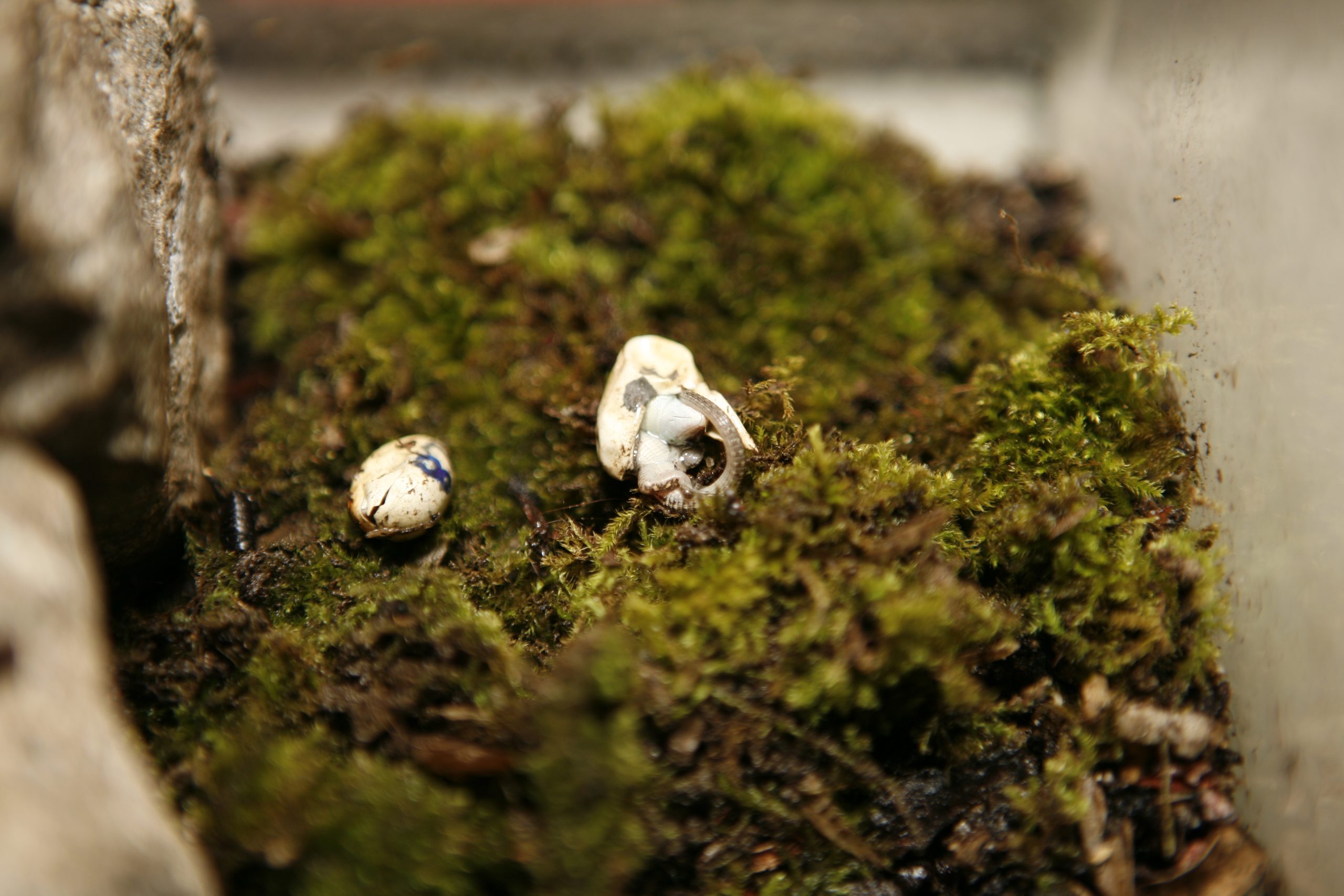
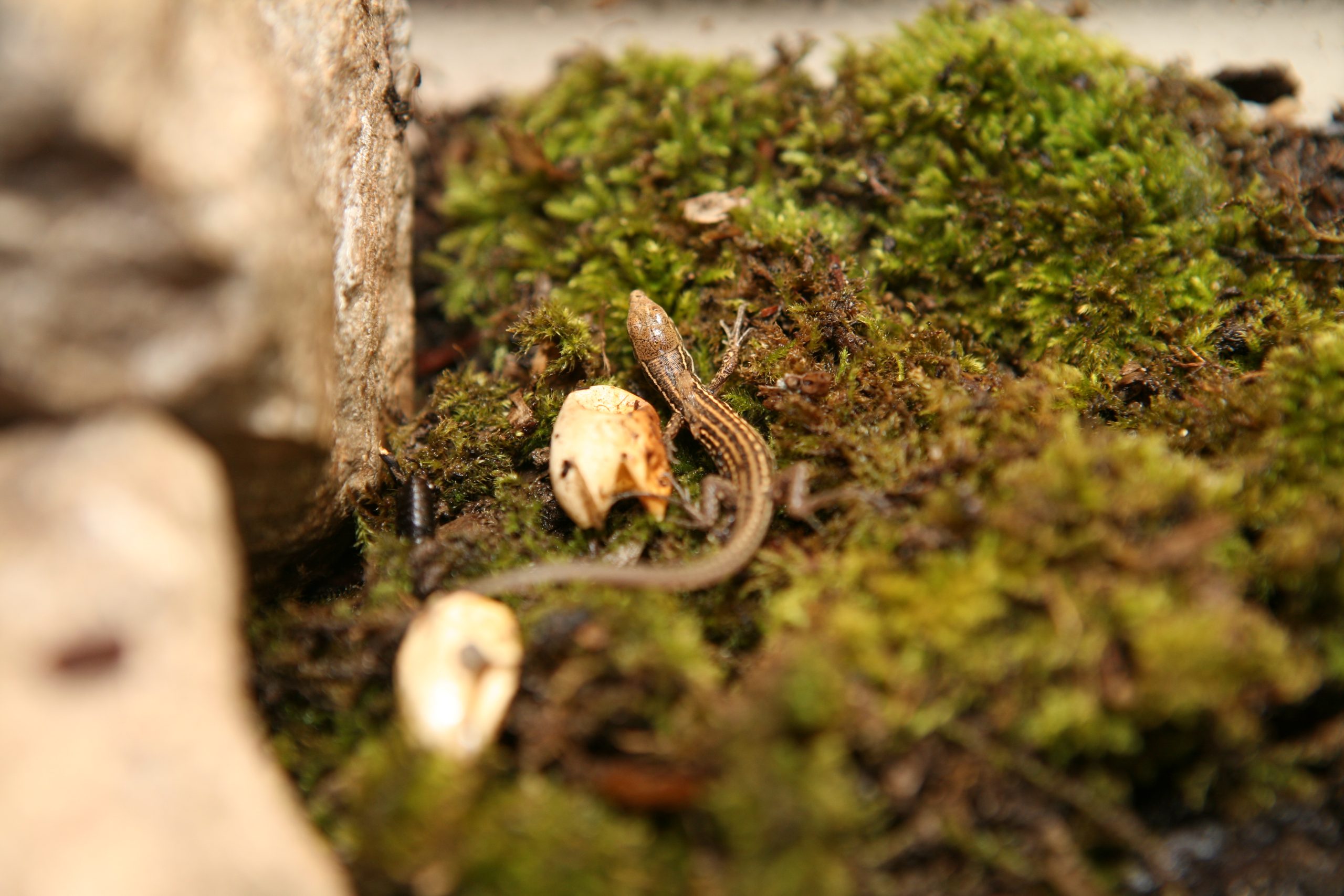
Hatching of Z. carniolica juveniles under laboratory conditions after 20-23 days of incubation (D. Jelić).
Looking Ahead
Including Zootoca carniolica in Croatia’s fauna is not only an exciting taxonomic update but also a call to action for the conservation of its sensitive habitats. For example, the lowland population in Spačva is on the brink of extinction due to intensive logging and habitat degradation. By continuing research and biodiversity conservation, Croatia can play a vital role in maintaining ecological balance in the region.



0 Comments