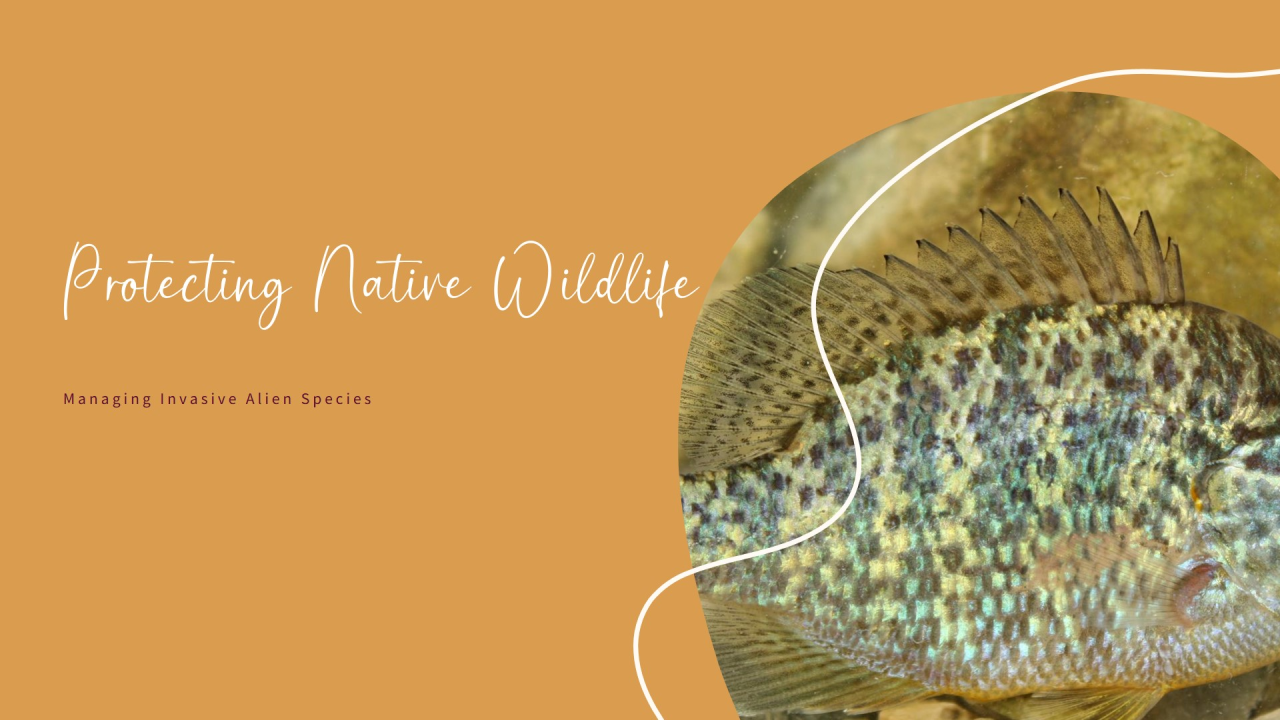
Invasive alien species (IAS) pose a significant threat to biodiversity and ecosystems worldwide. When managing these problematic species, it is crucial to consider the welfare of the animals involved, whether they are the target IAS or non-target species. A new manual from the European Union provides guidance on balancing the need for effective IAS management with humane practices.
Prioritizing Animal Welfare
The “Manual for the Management of Vertebrate Invasive Alien Species of Union Concern, Incorporating Animal Welfare” was developed through a collaborative effort between the European Commission, IUCN, and various expert organizations. The manual outlines a framework for assessing the humaneness of different IAS management methods, including lethal and non-lethal approaches. Key principles guiding the humaneness assessments include:
- Giving the “benefit of the doubt” when there is uncertainty about an animal’s suffering
- Prioritizing methods that minimize pain, distress, and suffering
- Considering the duration and intensity of any negative welfare impacts
By incorporating these animal welfare considerations, decision-makers can make more informed choices about the most appropriate management strategies for a given situation.
Balancing Effectiveness and Humaneness
The manual provides detailed assessments of various IAS management measures, evaluating their effectiveness, costs, and animal welfare impacts. For example, it compares the humaneness of trapping versus poisoning for rodent control, noting that trapping can be less severe if done properly. Importantly, the authors acknowledge that there is often no clear-cut “humane” or “inhumane” designation for IAS management methods. The appropriate approach depends on the specific context, including the target species, urgency of the situation, and available resources.
Experts from BIOTA, a leading conservation organization, were actively involved in the development of this manual. BIOTA’s scientists and animal welfare specialists provided valuable input on assessing the humaneness of IAS management techniques and ensuring the guidance reflects the latest scientific evidence and ethical considerations. By participating in this collaborative effort, we helped to advance the integration of animal welfare into IAS management practices across Europe. This manual serves as a valuable resource for conservation practitioners, policymakers, and other stakeholders working to address the growing threat of invasive species while upholding high standards of animal welfare.
Smith, K.G. et al. (2022). A manual for the management of vertebrate invasive alien species of Union concern, incorporating animal welfare. 1st Edition. PDF
Author: Dušan Jelić, PhD



0 Comments